
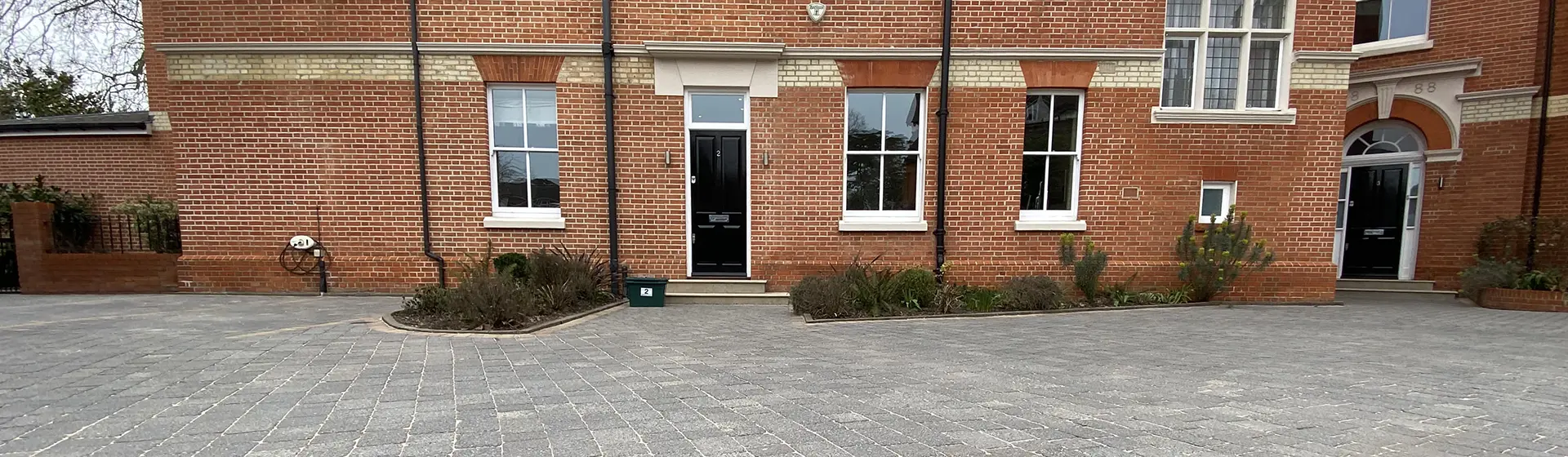
Preserving character. Caring for original materials.
Historic buildings carry their story in the stone, brickwork and architectural details.
Water Marsh provides specialist cleaning and restoration for churches, period homes, landmark buildings and heritage commercial properties. We assess the individual building, its materials and condition to plan work that respects its character and original fabric.
Cleaning & details
Gentle cleaning for stone and brickwork
Sandstone, limestone, granite and traditional lime mortar need a considered approach. We assess accumulated dirt, pollution, moss, algae and lichen before selecting a method.
DOFF cleaning uses superheated water at controlled low pressure and can be suitable for delicate masonry. Soft washing or other specialist treatments may be appropriate in some circumstances; no single method suits every historic surface.
Internal stone and heritage details
Fireplaces, columns and carved stone features deserve the same attention as an exterior façade.
We assess the stone, previous treatments and condition before discussing suitable internal cleaning or restoration. Access, protection of surrounding finishes and the preservation of fine detail are considered when planning the work.
Test patches and realistic expectations
A test patch helps demonstrate how the surface responds and the finish that can reasonably be achieved before wider treatment.
Cleaning may reveal previous repairs, weathering, variations in colour or fragile pointing that dirt had concealed. Our aim is to improve the appearance while retaining the building’s individual character—not to erase its history.
Stains & repairs
Specialist stain removal
We assess pollution staining, biological discolouration, mineral and salt deposits, and stains associated with copper or iron components. Different causes need different treatments.
Deep staining, graffiti shadows and marks that have become part of the surface may remain after cleaning. We explain the likely improvement and agree any additional treatments before proceeding.
Restoration, mortar repairs and delicate pointing
Where cleaning forms part of a wider restoration project, we can assess damaged stone and brickwork, worn mortar joints and deteriorated details.
Repointing, mortar repairs, suitable stone repairs or replacement, and consolidation are considered around the original materials and the building’s requirements. Repair and restoration work is separately scoped and included only where specifically quoted.
A clear plan for your building
Send photographs, your postcode and details of the building’s history or previous treatments where known. We can arrange an assessment, discuss test areas and set out the proposed scope.
Tell us about any listed or protected status and project-specific requirements before work is agreed. Contact us for a free, no-obligation consultation and quote.
Your questions
Will cleaning make an old building look new?
Cleaning can reveal the natural surface, but age, weathering, previous repairs and colour differences remain part of historic masonry. A uniform or new-looking finish cannot be guaranteed. We use assessment and test patches to agree realistic expectations.
Can you remove every stain or graffiti mark?
Not always. Deep pollution, mineral staining, rust and graffiti shadows can remain. The result depends on the material, porosity and history of the surface. Any additional specialist stain treatment is agreed in the quotation.
Is DOFF suitable for every historic surface?
No. We assess the stone or brick, mortar, coatings and existing condition before recommending a method. Low pressure does not remove the need for careful testing and skilled operation.
Are repairs and repointing included in cleaning?
Only if specifically included in your quotation. Cleaning may expose loose pointing, previous repairs or deterioration that was previously concealed. We discuss any additional work before proceeding.
What should I tell you before an assessment?
Tell us about listed or protected status, conservation requirements, previous repairs or coatings, known defects and access restrictions. Share any relevant permissions or project documentation so the proposed work can be planned around them.
Do you use chemicals on historic buildings?
The DOFF process uses heated water, but some staining or biological growth may require a separate, suitable treatment. We explain the proposed method and any products before agreeing the work.